
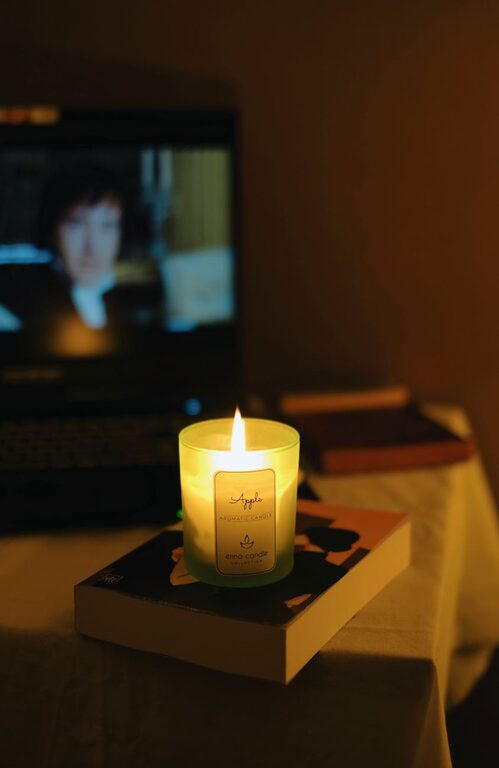
Creating a calm and enjoyable atmosphere in the evening can be a wonderful way to unwind after a busy day. A screen-light evening—spending time with your favorite screen-based activities like watching movies, reading on a tablet, or browsing—can be enjoyable when done thoughtfully. The key is to plan your evening so that it’s both relaxing and kind to your eyes, while also setting the right mood at home.
In this guide, we’ll walk you through practical steps to plan the perfect screen-light evening.
What Is a Screen-Light Evening?
A screen-light evening typically involves activities focused on electronic devices that emit light, such as smartphones, tablets, laptops, or TVs. These devices emit blue light, which can impact your sleep and cause eye strain if used improperly. However, with good planning, you can enjoy your screen-light time without discomfort.
Step 1: Choose the Right Time
Timing can make a big difference in how you feel during and after your screen-light evening.
– Avoid screens right before bedtime: Blue light can interfere with your body’s production of melatonin, the hormone that helps you sleep. Aim to finish screen use at least 30-60 minutes before sleep if possible.
– Set a specific block of time: Limit your screen time to a set period, such as 1-2 hours, to help prevent overuse and reduce eye fatigue.
– Consider starting earlier in the evening: This can help reduce the impact on your circadian rhythm.
Step 2: Prepare Your Space
Creating a comfortable and inviting environment enhances relaxation.
– Adjust lighting: Use soft, warm lighting in your room rather than harsh overhead lights or total darkness. This reduces contrast between your screen and surroundings, easing eye strain.
– Create cozy seating: Arrange pillows, blankets, or a comfortable chair to support good posture while you enjoy your screens.
– Minimize distractions: Turn off unnecessary devices or sounds that could interrupt your peace.
Step 3: Optimize Screen Settings
Reducing eye strain is crucial during screen use, especially in low-light settings.
– Use night mode or blue light filters: Most devices have built-in settings that reduce blue light emission during evening hours.
– Adjust brightness: Match your screen brightness to the ambient lighting—not too bright and not too dark.
– Increase text size: If reading on a device, enlarging text can reduce the effort your eyes need to make.
– Keep screens clean: Dust and smudges can cause glare, making it harder to see clearly.
Step 4: Choose Relaxing Content
The type of content you select can affect how well you unwind.
– Pick calming or enjoyable material: Consider movies, shows, or books that make you feel relaxed or happy rather than stimulating or stressful.
– Avoid intense or suspenseful content: This can raise stress levels and make it harder to wind down afterward.
– Explore new things: An evening might be a perfect time to discover a new TV series, podcast, or ebook.
Step 5: Take Care of Your Eyes
Looking at screens can cause symptoms like dryness, irritation, or headaches if you’re not careful.
– Follow the 20-20-20 rule: Every 20 minutes, take a 20-second break and look at something 20 feet away.
– Blink regularly: This helps keep your eyes moist.
– Use artificial tears if needed: Over-the-counter eye drops can help if your eyes feel dry.
– Maintain proper distance: Keep screens at least an arm’s length away and position them at or just below eye level.
Step 6: Incorporate Offline Activities
To balance screen time, try mixing in some non-digital relaxation.
– Stretch or do light yoga: Simple movements help relieve tension from sitting.
– Enjoy a warm drink: Herbal tea can promote a feeling of calm.
– Practice mindfulness or gentle breathing: This supports overall relaxation.
Step 7: Wind Down Afterward
After your screen-light session ends, preparing for sleep or rest is important.
– Dim your room lights further: This signals to your body that it’s time to rest.
– Avoid checking your phone immediately: Give yourself some tech-free minutes.
– Read a physical book or journal: These low-light activities can help ease your mind.
—
Planning a screen-light evening with mindfulness ensures that you enjoy your favorite activities in comfort while supporting your wellbeing. By setting the right environment, optimizing your screen settings, and balancing digital time with off-screen relaxation, you can create a nightly routine that feels both indulgent and healthy.
Try these tips tonight and see how much more pleasant and restful your screen-light evenings can be!