
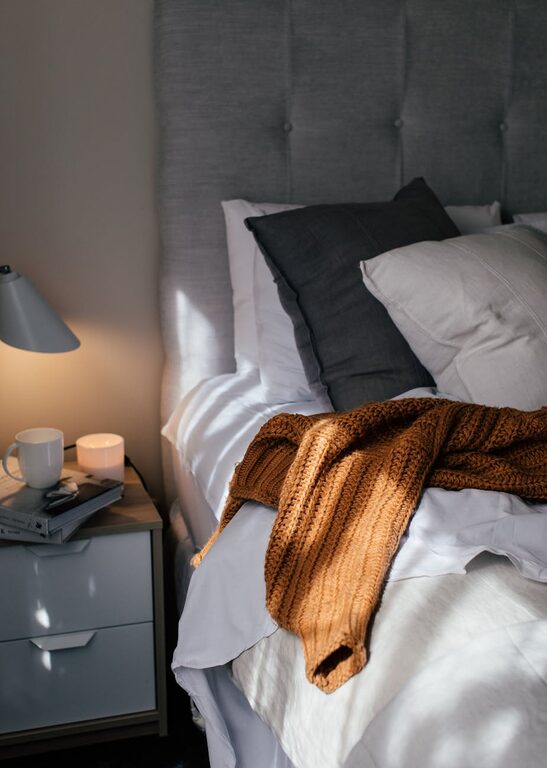
Creating a comfortable home environment involves many elements, and lighting plays one of the most important roles. Proper lighting not only brightens your living spaces but also affects your mood, productivity, and overall comfort. Whether you’re renovating your home or simply updating your lighting fixtures, understanding how to choose comfortable lighting is key. In this post, we’ll explore practical tips to help you select the right lighting for every room in your home.
Why Comfortable Lighting Matters
Lighting influences how we experience a space. Poor lighting can cause eyestrain, headaches, and disrupt daily routines. On the other hand, carefully chosen lighting enhances relaxation, focus, and even social interaction. Comfortable lighting creates a warm, welcoming atmosphere and highlights your home’s best features.
Consider the Purpose of Each Room
Before selecting lighting, think about how you use each space. Different rooms need different lighting styles and brightness levels.
– Living Room: This multi-purpose area requires flexible lighting. A combination of ambient, task, and accent lighting works well.
– Kitchen: Bright, focused lighting is important for cooking and food preparation.
– Bedroom: Softer lighting helps create a cozy, restful environment.
– Bathroom: Bright, clear light is essential for grooming tasks.
– Home Office: Balanced lighting reduces eye strain and improves focus.
Choose the Right Type of Lighting
Ambient Lighting
This is the general illumination that fills a room. Ambient lighting provides sufficient light for movement and basic tasks. Common sources include ceiling-mounted fixtures, chandeliers, or recessed lights.
Task Lighting
Task lighting focuses on specific areas where detailed activities occur, such as reading or cooking. Desk lamps, under-cabinet kitchen lighting, or reading lights are examples.
Accent Lighting
Accent lighting adds depth and highlights features like artwork or architectural details. Spotlights, wall sconces, or LED strips can be used effectively.
Using a mix of these types ensures a well-lit and comfortable space.
Select the Appropriate Bulb Type
The choice of bulbs affects brightness, color temperature, and energy usage.
– LED Bulbs: Energy-efficient, long-lasting, and available in a variety of color temperatures.
– Incandescent Bulbs: Offer warm light but are less energy-efficient and have a shorter lifespan.
– CFL Bulbs: More efficient than incandescent but contain mercury, requiring careful disposal.
Opting for LED bulbs is generally the best balance of comfort, efficiency, and durability.
Understand Color Temperature
Color temperature, measured in Kelvins (K), describes the hue of the light emitted.
– Warm White (2700K–3000K): Produces a cozy, relaxing ambiance ideal for living rooms and bedrooms.
– Neutral White (3500K–4100K): Offers a balanced, natural light suitable for kitchens and bathrooms.
– Cool White (5000K–6500K): Provides bright, daylight-like illumination good for workspaces and detailed tasks.
Choose color temperatures that complement the room’s function and your personal preference.
Consider Brightness Levels and Dimmers
Brightness is measured in lumens, and choosing the right level depends on room size and purpose.
– For ambient lighting, aim for moderate brightness to avoid harshness.
– Task lighting should be brighter to enhance visibility.
– Installing dimmer switches allows you to adjust lighting according to time of day and mood, increasing flexibility.
Pay Attention to Lighting Placement
Where you place light fixtures affects comfort and functionality.
– Avoid direct glare by positioning lights away from eye level.
– Use multiple light sources in larger rooms to distribute light evenly.
– Highlight architectural features or decor items with accent lights to add interest.
Careful placement reduces shadows and eye strain.
Incorporate Natural Light
Maximizing daylight in your home reduces the need for artificial lighting during the day and supports well-being.
– Use sheer curtains or blinds that adjust easily to control brightness.
– Arrange furniture to take advantage of windows.
– Consider skylights or additional windows during renovations.
Balancing natural and artificial light creates a pleasant atmosphere.
Select Fixtures That Match Your Style and Space
Lighting fixtures are part of your home’s decor.
– Choose designs that complement the room’s style, whether modern, rustic, or traditional.
– Size matters: fixtures should be proportionate to room dimensions.
– Consider adjustable fixtures for versatility.
Function should always come first, but style helps unify your design.
Maintain Your Lighting
Regular cleaning and timely bulb replacements ensure your lighting remains comfortable.
– Dust fixtures and bulbs to maintain brightness.
– Replace flickering or dim bulbs promptly.
– Check electrical fittings to avoid hazards.
Well-maintained lighting boosts comfort and safety.
Final Thoughts
Choosing comfortable home lighting involves a thoughtful blend of function, style, and personal comfort. By considering room purpose, mixing lighting types, selecting appropriate bulbs and colors, and paying attention to placement and maintenance, you can create inviting spaces that make your home a joy to live in. Start with these tips and enjoy the transformative power of well-planned lighting!